


CSP Circuit Breaker Load Capacity and Sizing Calculations
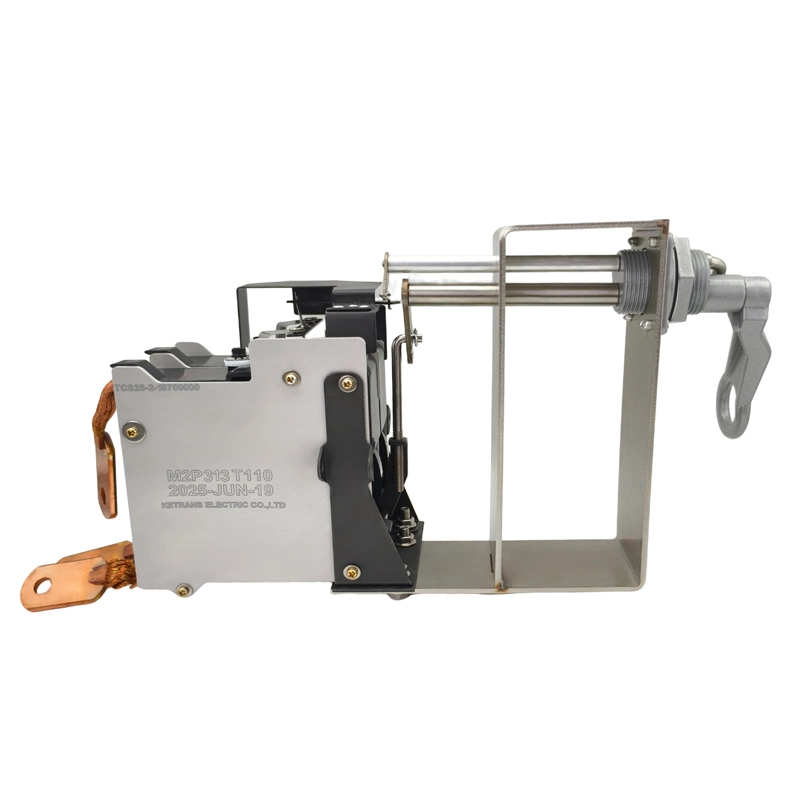
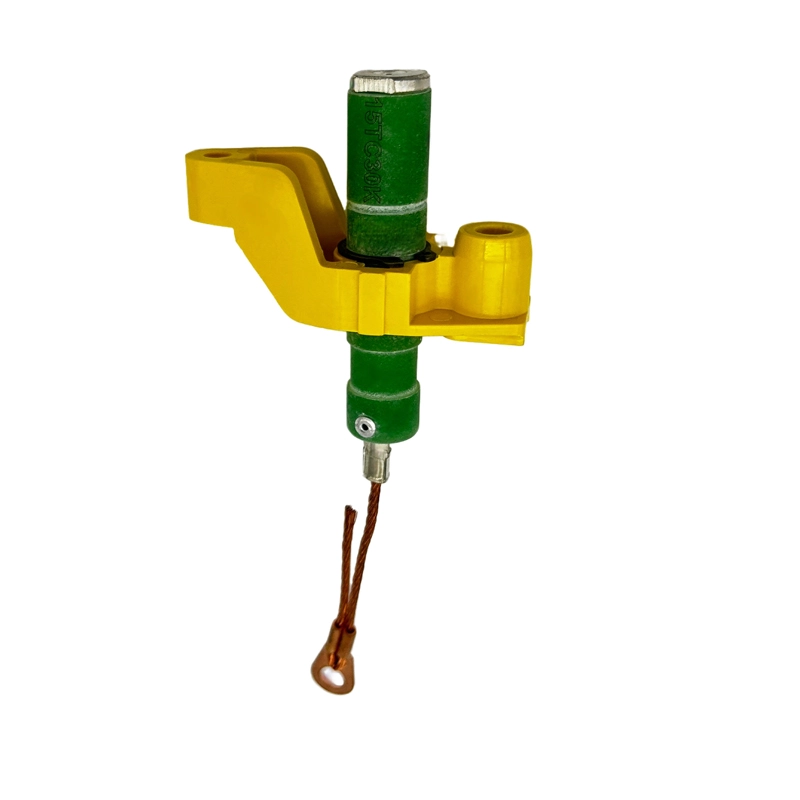
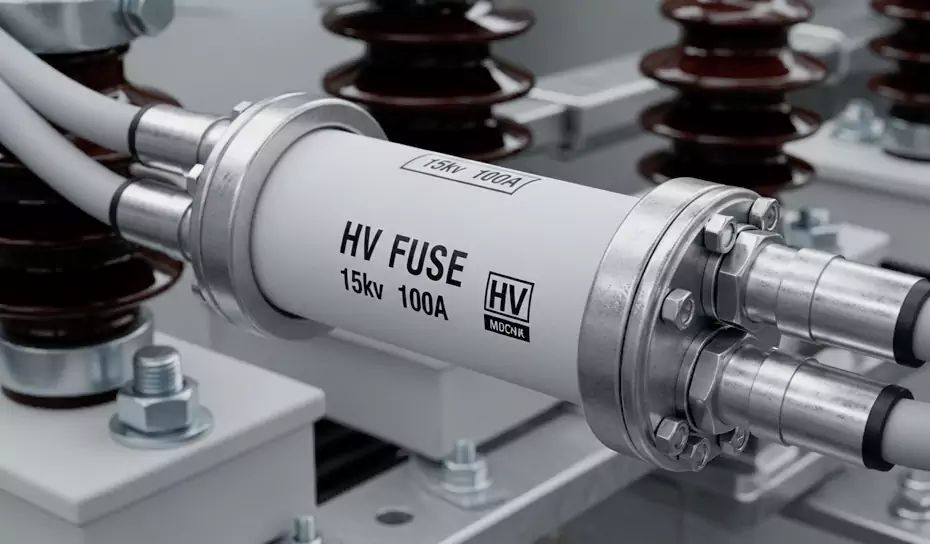
This article provides a comprehensive guide on load capacity and sizing calculations for CSP (Completely Self-Protected) circuit breakers used in distribution transformers. It explains the importance of continuous current rating and short-circuit interrupting capacity, with step-by-step sizing methods based on transformer parameters. Practical examples illustrate how to apply safety factors and account for environmental conditions. The article also highlights the capabilities of FOSHAN KETRANS ELECTRIC CO., LTD, a leading manufacturer of CSP components established in 2015. KETRANS offers oil-immersed low-voltage circuit breakers, high-voltage expulsion fuses, and arresters that fully comply with ANSI standards. Their in-house manufacturing from a 5,000 m² factory ensures cost advantages (45% cheaper than European brands) and high quality (defect rate <0.3‰). With ISO 9001 certification, over 40 patents, and flexible production capacity (up to 1,200 sets daily), KETRANS provides reliable components optimized for harsh environments. Proper sizing ensures transformer protection, load coordination, and long-term reliability, making KETRANS a trusted partner for utility and industrial applications.
Completely Self-Protected (CSP) transformers integrate protection components directly into the transformer tank, reducing external wiring and improving reliability. The CSP circuit breaker is a critical element, responsible for overload and short-circuit protection on the low-voltage side. Proper load capacity and sizing calculations are essential to ensure that the breaker can handle continuous currents, withstand fault conditions, and coordinate with upstream and downstream devices. This article provides a detailed guide on CSP circuit breaker load capacity principles and sizing calculations, incorporating industry best practices and insights from leading manufacturers like FOSHAN KETRANS ELECTRIC CO., LTD.
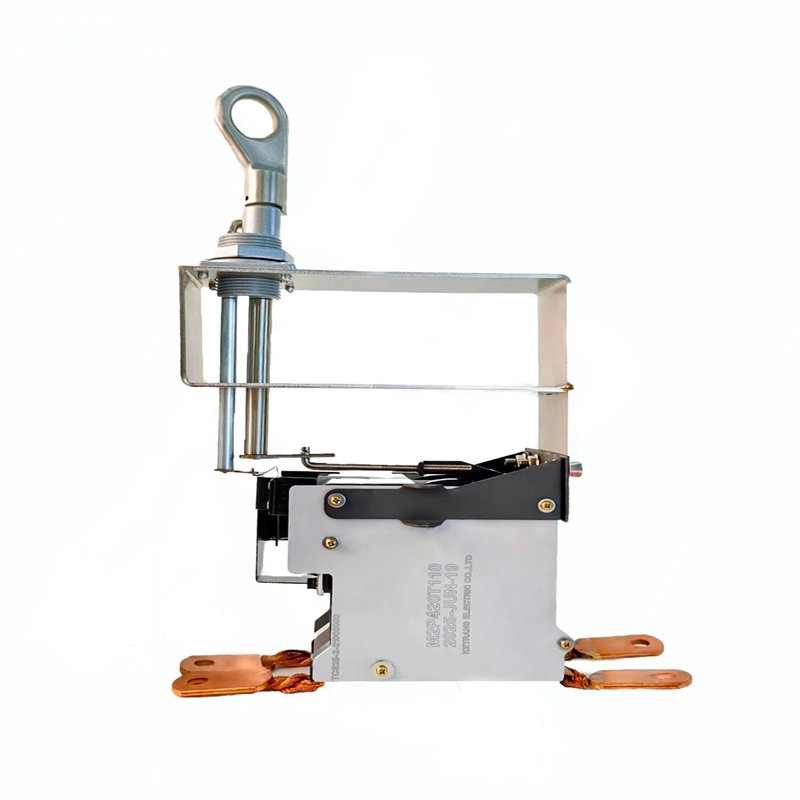
Understanding CSP Circuit Breaker Load Capacity
Load capacity refers to the maximum continuous current a circuit breaker can carry without exceeding its thermal limits. For CSP circuit breakers, this rating is typically given in amperes at a specified ambient temperature (e.g., 40°C). Breakers must also have sufficient interrupting capacity to safely clear faults. KETRANS, established in 2015 with a 5,000 m² manufacturing facility, produces oil-immersed low-voltage circuit breakers that meet ANSI standards for North American and Mexican markets. Their designs incorporate a proprietary high-purity silver-copper alloy for fuse elements, ensuring performance matching ABB products.
Continuous Current Rating
The continuous current rating of a CSP circuit breaker should equal or exceed the full-load current of the transformer it protects. For a single-phase transformer, full-load current (If) is calculated as: If = (Transformer kVA × 1000) / (Voltage × Power Factor). For three-phase, If = (kVA × 1000) / (√3 × Voltage × PF). The breaker must also account for load growth and harmonics; a common practice is to size the breaker at 125% of the calculated full-load current. For example, a 50 kVA single-phase transformer at 240V and 0.9 PF yields If = (50×1000)/(240×0.9) ≈ 231A. At 125%, the required breaker rating is about 289A, so a 300A breaker would be selected.
Short-Circuit Interrupting Capacity
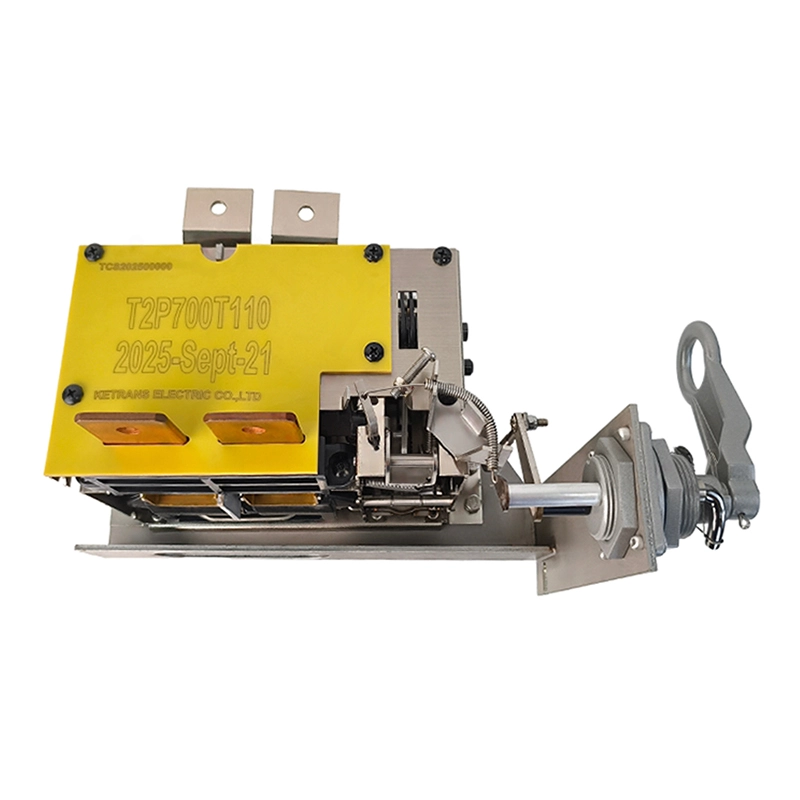
The interrupting capacity (IC) must be greater than the maximum available fault current at the breaker location. For CSP transformers, the fault current is limited by the transformer impedance. KETRANS performs type tests including short-circuit interruption to verify IC. Their CSP circuit breakers are designed to coordinate with high-voltage expulsion fuses, ensuring that faults are cleared quickly without damaging the transformer. The IC rating is typically expressed in symmetrical RMS amperes. For instance, a 50 kVA transformer with 2% impedance at 240V would have a maximum short-circuit current of about 50,000/(0.02×240) ≈ 10,417A, so a breaker with at least 10kA IC is needed.
Sizing Calculations for CSP Circuit Breakers
Sizing involves selecting the appropriate continuous current rating and interrupting capacity while considering environmental factors, cable sizes, and load characteristics. Below is a step-by-step approach used by KETRANS engineers, who have over 20 professional electrical engineers and an independent QC laboratory.
Step 1: Determine Transformer Parameters
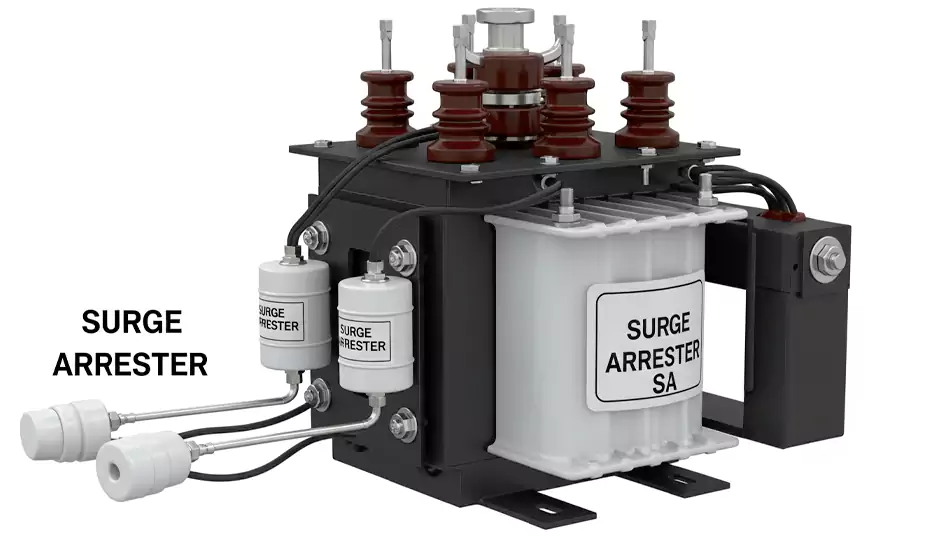
Obtain transformer nameplate data: kVA rating, primary and secondary voltages, impedance percentage, and connection type. For CSP transformers, the low-voltage circuit breaker is built into the tank and must match the transformer’s specifications. KETRANS provides complete CSP component sets, including low-voltage circuit breakers, high-voltage fuse links, and external arresters, all pre-matched to ensure compatibility.
Step 2: Calculate Full-Load Current
Use the formulas above. Example: 75 kVA, 480V three-phase, PF=0.85. If = (75×1000)/(1.732×480×0.85) ≈ 106A. Applying a 125% factor gives 132.5A. The nearest standard breaker rating might be 150A. However, continuous loads must be limited to 80% of breaker rating per NEC, so the breaker should be at least 125% of continuous load. KETRANS circuit breakers are tested for continuous operation at their rated current in oil-immersed conditions.
Step 3: Verify Short-Circuit Capability
Fault current = (Transformer kVA × 1000) / (√3 × Secondary Voltage × %Z). For 75 kVA, 480V, 2%Z: Isc = (75×1000)/(1.732×480×0.02) ≈ 4,510A. Choose a breaker with IC > 5 kA. KETRANS breakers are tested to meet ANSI standards, ensuring reliable operation under high fault conditions.
Step 4: Consider Environmental Conditions
For oil-immersed CSP breakers, ambient temperature affects thermal performance. KETRANS products are optimized for high-temperature, high-humidity environments typical in Latin America. Derating factors may be applied if ambient exceeds 40°C. Also, altitude above 2000m may require derating. KETRANS maintains flexible production capacity, with standard orders shipped in 7–15 days, and daily capacity up to 1,200 complete CSP sets during peak seasons.
Cost and Quality Advantages of KETRANS Solutions
KETRANS offers a complete set of CSP protection components at 45% lower cost than European and American brands, and 18% cheaper than domestic assembly traders, while matching top-tier performance. They hold ISO 9001:2015 certification, over 40 patents (including 10 invention patents), and have passed third-party type tests. Their factory, with 20 welding units and over 50 precision machines, handles all in-house manufacturing from stamping to final inspection. The defect rate is less than 0.3‰.
KETRANS also provides comprehensive support from consultation to troubleshooting, building long-term relationships based on trust. Their CSP low-voltage circuit breakers are designed for maintenance-free operation, integrating neatly into the transformer tank. For sizing assistance, KETRANS engineers can recommend the optimal breaker rating based on load profiles and utility requirements.
Conclusion
Proper sizing of CSP circuit breakers is vital for transformer protection and system reliability. By following the calculations outlined and partnering with a trusted manufacturer like KETRANS, engineers can ensure safe, efficient, and cost-effective operations. KETRANS’ commitment to quality, innovation, and customer support makes them a leading supplier in the CSP market, serving transformer manufacturers across North and Latin America.
Share on Social:


